
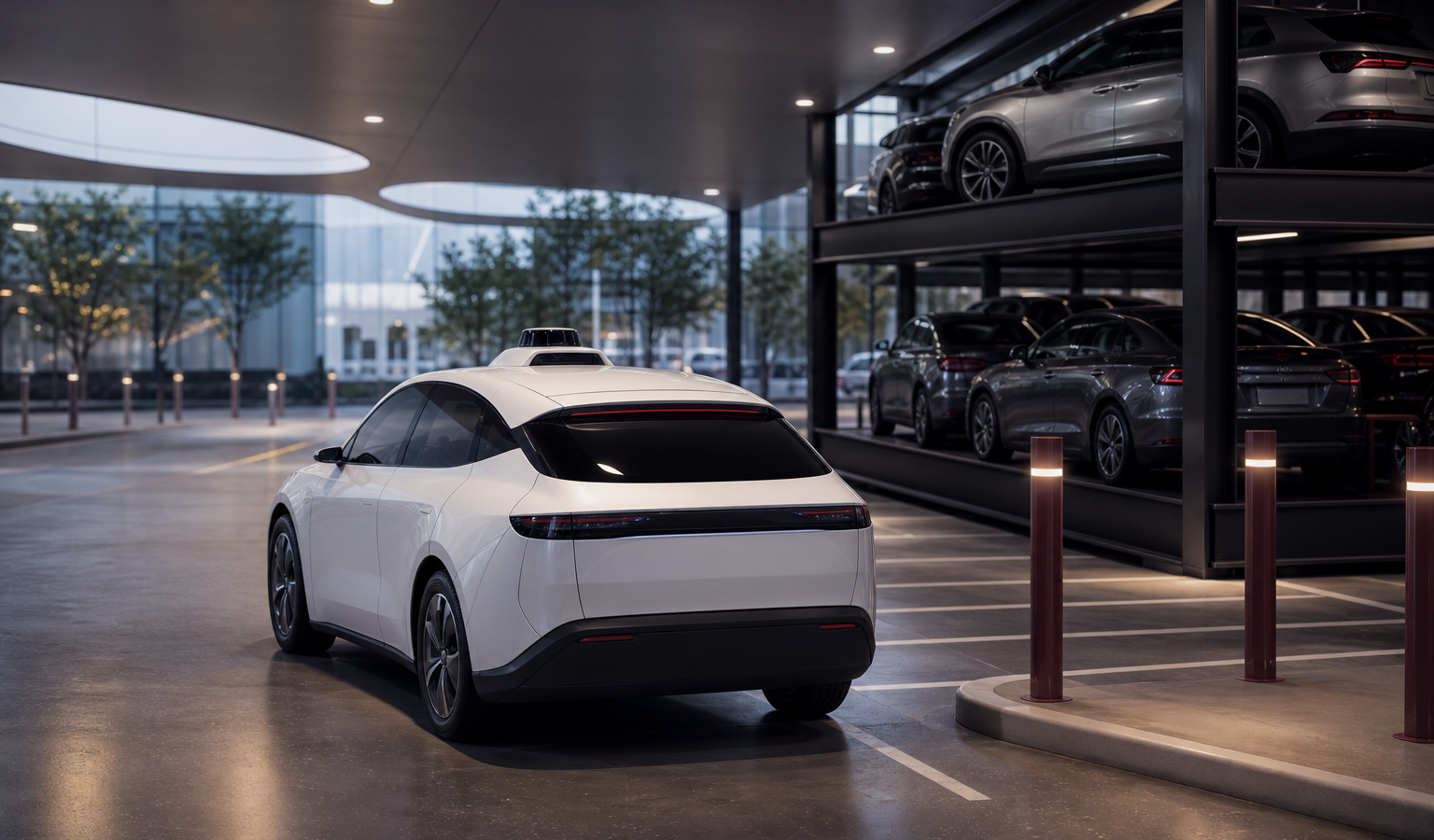
Uber is adding another product to its mobility lineup with the launch of Uber Parking, a parking reservation service built on the company’s acquisition of SpotHero. The move shows how Uber continues to expand beyond its core ride-hailing business while developing services that can fit into a larger transportation platform.
The new offering is framed as part of a broader mobility strategy, not simply as a standalone feature. By moving into parking reservations, Uber is extending the reach of its app into another part of the travel process, giving users a way to organize more of a trip through one platform. That position makes the launch notable not only for what it does now, but also for what it suggests about where Uber wants its service ecosystem to go next.
What Uber Parking is
Uber Parking is a reservation service for parking, according to the supplied reporting. Rather than focusing only on rides, the company is now offering a tool that helps users plan where to leave their vehicles. That makes it another example of Uber building products around the broader travel experience instead of a single trip. It also means Uber is putting a new emphasis on planning and logistics, areas that sit alongside ride-hailing but are not limited to it.
In practical terms, the launch broadens the scope of what users can expect from Uber. The company has long been associated with booking transportation, and this service adds another layer to that model by bringing parking into the same mobility conversation. The supplied reporting presents this as a logical extension of the company’s direction rather than a separate business line detached from its main app.
Built on SpotHero
The service comes after Uber acquired SpotHero, and the reporting says Uber Parking is built on that acquisition. SpotHero’s role appears central to the new offering, giving Uber a foundation for entering parking reservations while extending its consumer-facing mobility products. This is important because the launch is not described as a completely new concept created from scratch; instead, it is tied directly to an acquisition that helps support the service.
That connection matters for understanding how Uber is expanding. The company is not only adding features organically, but also using acquisitions to support new product lines. In this case, the acquisition of SpotHero provides the base for a parking reservation service that can be positioned alongside Uber’s existing travel tools. The result is a product that fits within the company’s larger platform approach.
Beyond ride-hailing
The launch fits a pattern noted in the supplied articles: Uber has been offering products beyond its main ride-hailing service. Parking is a natural extension of that strategy because it connects to how people move through cities before and after a ride. It also suggests Uber wants to make its app more useful across different parts of a journey.
That broader approach helps explain why the service is being introduced now. The supplied reporting does not describe the parking launch as an isolated experiment, but as part of a continuing expansion of Uber’s offerings. This makes the service another sign that the company is aiming to be more than a ride-booking app. Instead, it is building a transportation platform that can cover multiple needs connected to getting around.
By adding parking reservations, Uber can make its service feel more complete for users who are already thinking about transport, arrival, and departure in one trip. The move also reinforces the idea that the company sees value in services that sit around the edges of ride-hailing but still belong to the same mobility experience.
Why robotaxis matter
The reporting also says the parking service is being introduced with an eye on robotaxis. That detail points to a future in which mobility services may become more integrated, with parking, pickups, and other trip logistics working together inside the same platform. While the supplied sources do not describe specific robotaxi features, they make clear that the new service is being framed in that broader context.
This framing gives the launch a forward-looking quality. The parking product is not only about today’s users and today’s vehicles; it is also being positioned within a mobility future that may involve more automated service models. In that sense, Uber Parking is presented as part of a larger transition in how transportation services could be organized and accessed. The reporting leaves the robotaxi connection at the level of strategy, but it still places the new service in that context.
What it means for Uber’s platform
Uber Parking shows the company continuing to develop services that go beyond matching riders with drivers. By adding parking reservations, Uber can broaden the value of its app and create a more complete mobility experience. The service also reflects a strategy of using acquisitions to support new product lines.
For users, the immediate change is straightforward: a new way to reserve parking through Uber. For Uber, the launch is another step toward a platform that covers more of the trip, not just the ride itself. That distinction is central to the significance of the service, because it signals that Uber is thinking about mobility in a wider sense than its original ride-hailing model.
The broader implication is that Uber is continuing to shape its app around multiple transportation needs. The company’s reach now includes a parking reservation service, and the supplied reporting makes clear that this is intended to support a larger mobility strategy rather than stand apart from it. In other words, Uber Parking is as much about the structure of the platform as it is about parking itself.
Conclusion
Uber Parking is a clear signal that the company sees mobility as more than ride-hailing. Built on the SpotHero acquisition and introduced with robotaxis in mind, the service expands Uber’s reach into another part of the transportation experience while reinforcing its broader platform ambitions.
The launch is another example of Uber offering products beyond its core ride-hailing service, while also showing how the company is using its acquisitions to support new directions. With Uber Parking, the company is adding a reservation service that fits into a larger mobility framework and points toward an increasingly integrated future for its platform.