
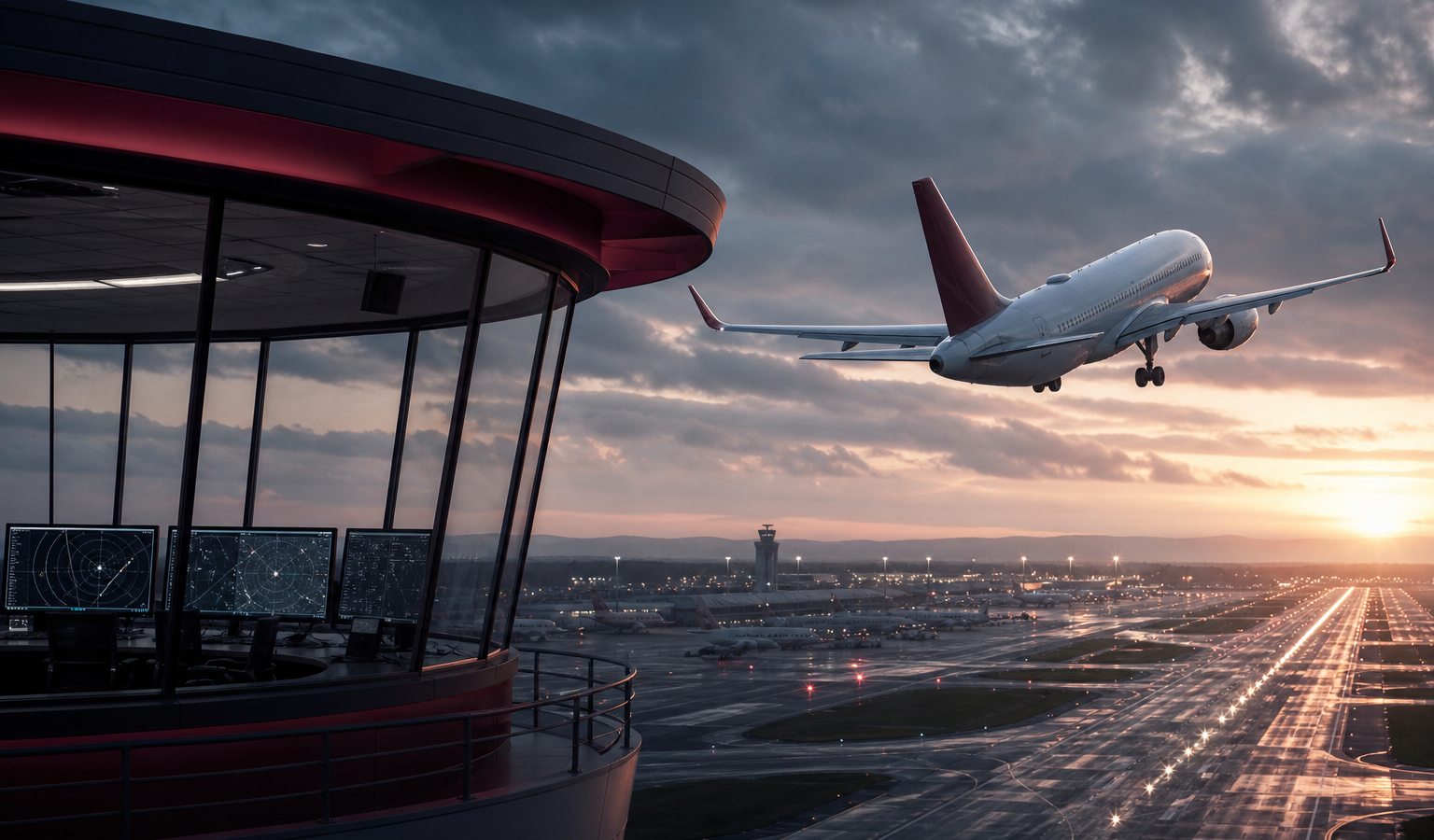
Takeoffs from airports across the United States largely stopped on Friday after the Federal Aviation Administration issued a nationwide ground stop at 3:44 PM ET. The agency said the move was made “due to extraordinary circumstances and for reasons of safety.”
The order immediately disrupted departures across the country and brought the normal flow of air travel to a halt. For travelers, it meant that planes were not simply delayed at a single airport, but paused across the national network while the FAA responded to the situation that prompted the action.
More than four hours later, officials announced that the ground stop had been lifted at 8:15 PM ET and that flights would resume. Even with the restriction removed, the recovery was expected to take time because airports were already overloaded and some flight crews had run out of operating time.
The immediate pause was over, but the effects of the interruption were not. Airports, airlines, and crews still had to deal with the backlog created during the stop, and that meant the return to normal operations would not happen all at once.
What happened
The FAA’s order paused departures at airports throughout the country, creating widespread disruption for travelers. During the stop, takeoffs were held while the agency responded to the situation that prompted the nationwide action. The scale of the pause made it a notable event for the aviation system, since it affected flights across the United States rather than in one region or at one airport.
According to reporting from The Verge and Ars Technica, this was the third nationwide ground stop in the FAA’s history. Ars Technica also reported that Secretary of Transportation Sean Duffy blamed obsolete equipment for the outage. Those details helped explain both the unusual scope of the event and the context surrounding the disruption.
The result was a sharp break in the normal rhythm of air travel. Departures were held while the system waited for the FAA’s clearance, and the pause rippled through airport operations as passengers, crews, and airlines adjusted to the unexpected interruption.
Why delays could continue
Once a ground stop is lifted, normal operations do not restart instantly. Aircraft and crews are still subject to the schedule disruptions created during the outage, and airports can remain congested for hours afterward. Some flights may still be delayed or canceled as airlines work through the backlog and as crew duty limits affect which flights can depart.
That means travelers may still face disruptions even after the FAA restores normal takeoff clearance. The immediate problem is solved, but the impact can continue across the system until airports, airlines, and crews get back on schedule. In practical terms, the end of the ground stop marks only the beginning of the recovery.
Airlines must sort through which departures can still operate, which aircraft are in the right place, and which crews are still available to fly. At the same time, airports may remain crowded with waiting passengers and delayed flights, making it harder for schedules to return to normal quickly.
What travelers can expect next
With flights resuming, the main issue becomes how quickly the aviation system can recover from the interruption. Airports that were already crowded must clear waiting passengers and reposition aircraft, while airlines must determine which departures can still operate safely and on time.
For travelers, the practical takeaway is that a lifted ground stop does not necessarily mean an immediate return to normal. Delays, cancellations, and gate congestion can continue after the official all-clear as the system works through the consequences of the pause. Even when departures restart, the effects of the earlier stop can linger well beyond the moment the restriction is lifted.
That is why the hours after a nationwide ground stop can still feel disruptive. The FAA’s action ends the freeze on takeoffs, but the recovery depends on how quickly airports and airlines can absorb the interruption and rebuild an orderly schedule.
Conclusion
The FAA’s decision to lift the nationwide ground stop ended the immediate halt to takeoffs, but the disruption was likely to linger. After more than four hours of stopped departures, airports and crews still had to recover from the backlog left behind.
For travelers, the key point is that the official end of the ground stop did not erase the disruption it caused. Flights could resume, but the effects on schedules, airport congestion, and crew availability were expected to continue as the system moved back toward normal operations.
Sources
- https://www.theverge.com/news/1033489/faa-ground-stop
- https://arstechnica.com/tech-policy/2026/11/faa-orders-third-nationwide-ground-stop-in-its-history