
Canva’s First In-House Image Model
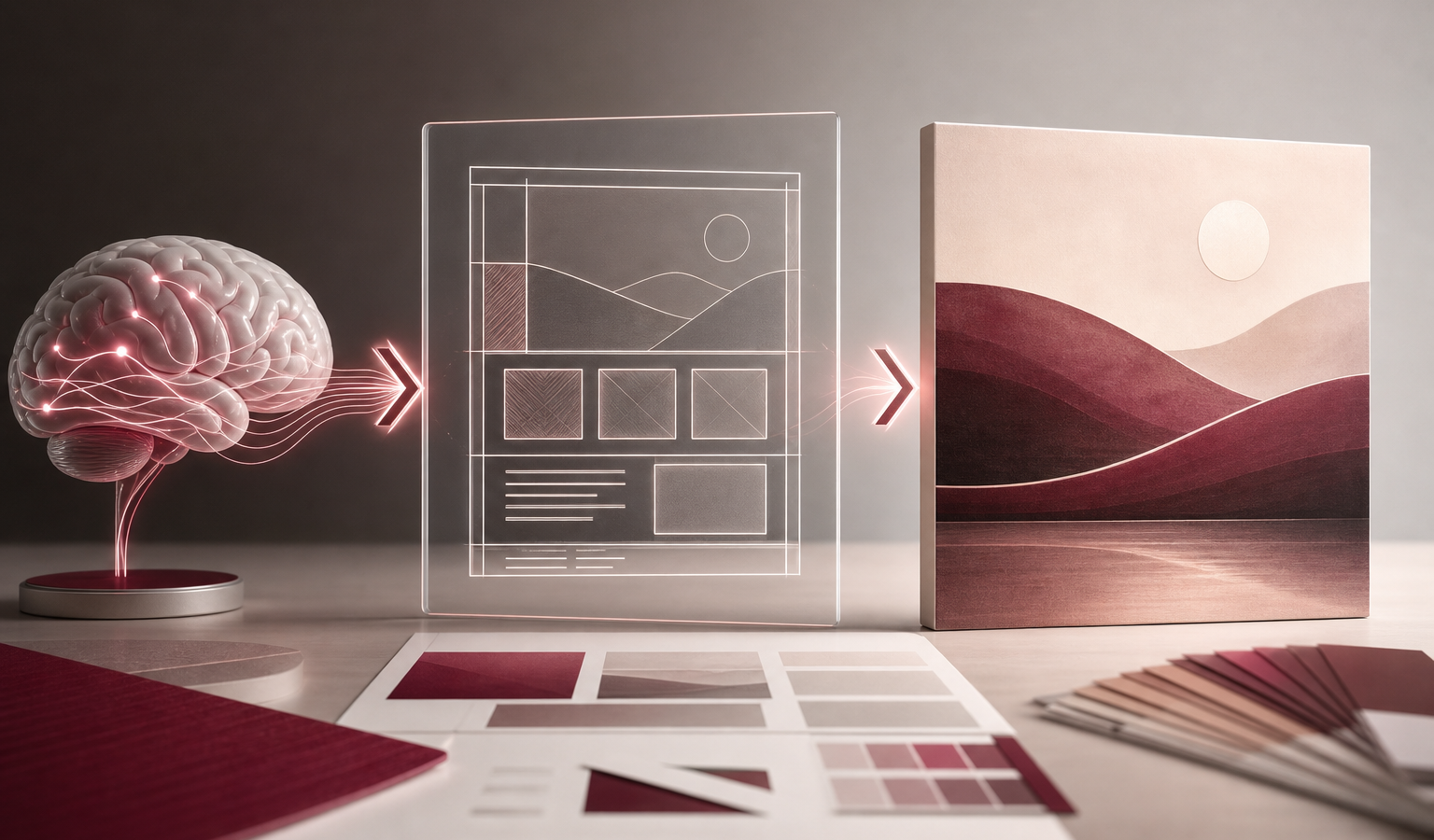
Canva has launched its first in-house AI image generation model, called Canva Craft, entering a field already occupied by image systems from OpenAI, Microsoft, and Google. The new model is designed to do more than simply turn text into pictures. According to the announcement described in the source material, Canva Craft uses a two-stage architecture that plans a design before generating the final image. Canva says that approach is intended to provide greater precision, consistency, and control.
The move marks a notable step for a company best known for helping people create visual content quickly and with minimal design experience. Instead of relying solely on a straightforward generation process, Canva Craft introduces planning into the workflow. That distinction matters because design work often depends on layout, proportions, and the relationship between visual elements, not only on the image itself.
What Canva Craft Is Designed to Produce
The model is described as capable of creating a wide range of image types. These include social media posts, marketing content, realistic scenes, digital art, and environmental imagery. That range suggests Canva is positioning the model for both everyday design tasks and more visually detailed creative work. The model is also said to generate images at up to 2K resolution, which gives it enough output quality for a broad set of publishing needs.
Another notable detail is support for more than 30 aspect ratios. For a design platform, that flexibility is important because different channels and formats require different dimensions. A post meant for one platform may not fit another without adjustment, so aspect-ratio variety can reduce the amount of manual resizing and reworking required after generation.
Why a Two-Stage Approach Matters
Traditional image generation tools often focus on producing a visual result directly from a prompt. Canva Craft instead begins with a planning step before image creation. Based on the source material, that two-stage system is meant to improve how the model handles precision and consistency. In practical terms, a planning phase can help a model organize composition and layout before final rendering begins.
For users, that could mean outputs that are better suited to design workflows where control matters as much as visual style. The emphasis on consistency also points to a common challenge in image generation: keeping generated elements aligned with the intended structure of a design. Canva’s approach suggests that the company wants AI image generation to feel closer to a design assistant than a pure image synthesizer.
Availability and Positioning
TechCrunch reports that Canva is making the new image model available to all users. That broad availability indicates Canva wants the model to become part of the platform’s everyday creative toolkit rather than a feature reserved for a small group. The report also notes that the company is promising better, more customizable performance at lower costs, though the details in the supplied material focus primarily on the product’s architecture and output capabilities.
The launch also places Canva in direct competition with major AI developers that already offer image generation systems. By introducing its own model, Canva is no longer only building tools on top of existing AI services. Instead, it is developing an internal model designed specifically around its own design-focused workflow.
What This Means for Users
For users who rely on Canva to create graphics quickly, the appeal of Canva Craft is straightforward: more control, more format options, and a model tuned for design needs. The combination of planning before generation, 2K output, and wide aspect-ratio support suggests a tool built for practical creation rather than isolated experimentation.
It also reflects a broader trend in generative AI: software makers are increasingly tailoring models to specific creative tasks instead of relying on general-purpose generation alone. In Canva’s case, that task is visual design, where layout and adaptability are as important as the image content itself.
Conclusion
Canva Craft represents Canva’s first step into building its own AI image generation model, and the company’s design-first approach sets it apart from tools that generate images without an explicit planning stage. With support for multiple aspect ratios, 2K resolution, and a range of use cases from social posts to realistic scenes, the model is aimed at everyday creation as well as more polished visual work. The result is a clearer push to make AI image generation feel more connected to the process of designing, not just producing, images.