
Introduction
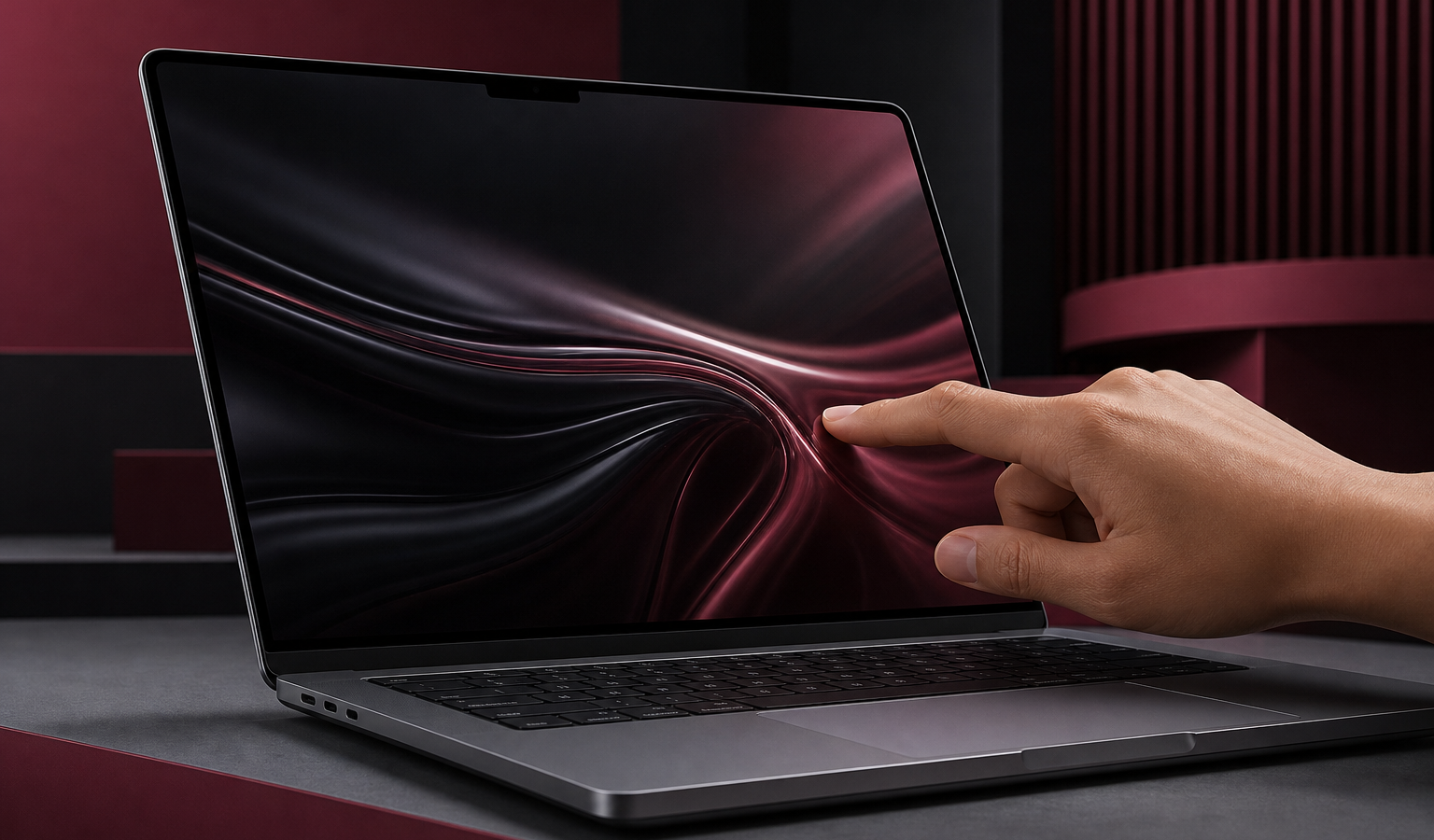
Apple has introduced an all-new MacBook Pro with a touchscreen display and a new OLED-based panel, putting the company’s premium laptop strategy into sharper focus. The announcement adds another major shift to the MacBook Pro lineup, with display technology taking center stage and pricing rising quickly as options are added. Rather than arriving as a modest refresh, this model is framed as a meaningful change in what Apple wants the MacBook Pro to represent.
In the coverage from TechCrunch, Ars Technica, and Apple’s own newsroom post, the story is presented through two connected themes: a major display upgrade and a price that climbs fast when the laptop is fully configured. That combination makes the new MacBook Pro stand out immediately. It is not only the touchscreen feature that draws attention, but also the way the product is positioned as a premium device with premium costs attached at every stage.
A New Display-Centered MacBook Pro
According to Apple, the new MacBook Pro features a PROLED XDR Display built around tandem OLED technology. That display is the key headline feature in Apple’s announcement, and both Ars Technica and TechCrunch highlight it as the main reason the model stands apart from earlier versions. The new screen technology is presented as the major upgrade, rather than a smaller revision to the existing design. In other words, the display is not a side note. It is the defining element of the launch.
Apple’s newsroom post describes the device as the all-new MacBook Pro with PROLED XDR Display, while Ars Technica says the OLED display is the main draw. TechCrunch similarly frames the laptop as a product that takes MacBook Pro pricing to a new extreme, emphasizing how the hardware changes are tied to a much steeper cost structure. Together, those descriptions place the display at the center of the device’s identity and the pricing at the center of the reaction to it.
That emphasis matters because the MacBook Pro line has long been associated with high-end hardware, but this version appears to push the discussion into new territory. The touchscreen display and tandem OLED technology are presented as the features that give the laptop its appeal, and the coverage makes clear that Apple is leaning heavily on those elements as the justification for the new model. The result is a release that feels designed to be noticed primarily for what is on the screen.
Pricing Rises With Upgrades
The strongest reaction to the new model is its price. TechCrunch reports that buyers should expect to pay around $14,549 if they want the touchscreen MacBook Pro with every upgrade. That figure underscores how quickly the total can climb when the machine is fully configured. It also gives the launch an immediate sense of scale, because the final number is tied not just to the base device but to every optional enhancement layered onto it.
Ars Technica also points to the price as a central part of the story, noting that the OLED display is a compelling feature, but one that comes with a lot to reckon with. That framing captures the tension at the heart of the announcement. The display is being presented as a major step forward, but the cost creates an equally large part of the conversation. The laptop’s appeal is real, yet so is the burden of paying for it.
That combination of a major display overhaul and a sharply higher total cost makes the new MacBook Pro notable not just as another laptop release, but as a clear example of Apple pushing its premium tier further upward. The product appears designed to appeal to buyers who prioritize the latest display technology and are willing to pay for every available enhancement. In that sense, the laptop is as much about positioning as it is about hardware. It shows how far the premium end of the market can stretch when the most advanced options are all placed in one configuration.
What Apple Is Emphasizing
Apple’s own announcement places the spotlight on the display upgrade and the underlying technology behind it. The company says the new MacBook Pro uses breakthrough tandem OLED technology, reinforcing that the panel is the central selling point of the launch. In the coverage from Ars Technica and TechCrunch, the laptop’s value proposition is presented almost entirely through that lens: a cutting-edge screen paired with unusually high pricing.
That focus helps explain why the announcement is generating so much attention. A touchscreen MacBook Pro with OLED changes the conversation around Apple’s laptop lineup, because it introduces a feature set that is meant to feel meaningfully different from prior models. But it also changes the pricing discussion in a way that is hard to ignore. The device is therefore notable on two levels at once: it signals a change in the product itself, and it signals a change in how expensive the top end of the lineup can become.
Apple’s emphasis on the display suggests that the company wants the screen technology to define the release more than any other specification. The wording in the announcement and the way the coverage presents the story both point in the same direction. The MacBook Pro is being introduced as an OLED-first machine, with the touchscreen and tandem OLED elements functioning as the features that make the product feel new in a deeper way than a standard yearly refresh would.
Conclusion
Apple’s new touchscreen MacBook Pro is notable for two reasons: its PROLED XDR Display with tandem OLED technology and its strikingly high cost when configured with every upgrade. The result is a laptop that pushes the premium MacBook Pro category into even more extreme territory. For buyers focused on display quality and Apple’s latest hardware direction, it is a significant new release. For everyone else, it is a reminder that top-tier laptop pricing can still move higher.
The overall picture from Apple, Ars Technica, and TechCrunch is consistent. The display is the story’s centerpiece, and the price is the part that makes the story feel exceptional. Together, they define a MacBook Pro that is meant to stand apart from earlier versions not through small adjustments, but through a major shift in both technology and cost. That is what makes the announcement so distinctive: it is as much about how far Apple can push the premium laptop category as it is about the laptop itself.